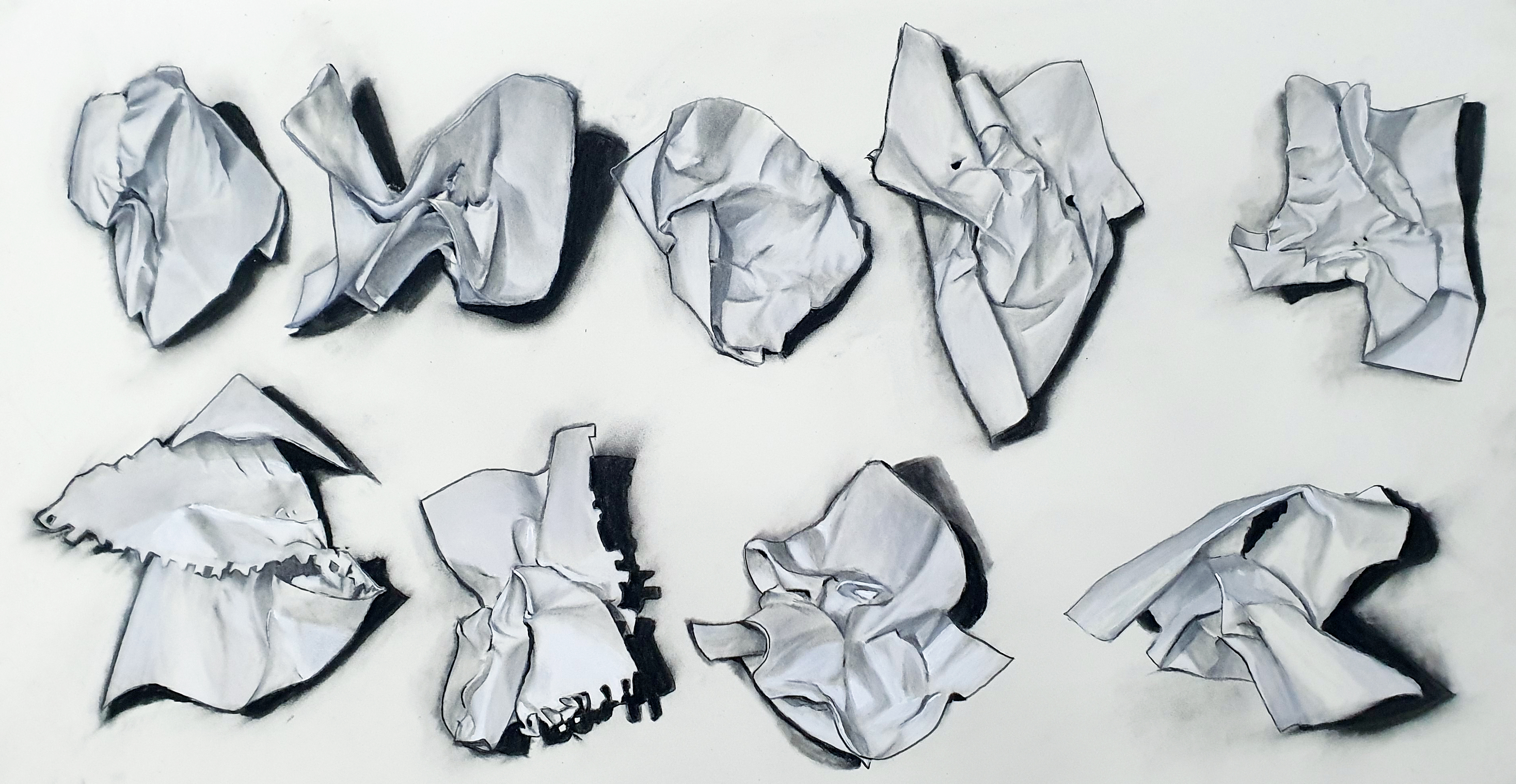
[Dys]FUNction Rising: Neurodiverging Through Memoir Madness, Ooooooh Yeahhhh, DIG IT!
Abstract
[Dys]Functional neurodivergent human being searches the depths of his mind with practice-led research and the realm of Mad Studies in a quest to uncover a neurodivergent aesthetic form of memoir. His research takes an eccentric step toward providing an aesthetic self-depiction of his lived experienceseurodivergence and mental health issues.
But what would a neurodivergent memoir aesthetic even look like? How would it differ from existing memoir texts by neurodivergent authors? Is a neurodivergent memoir aesthetic something that could contribute to the growing neurodiversity movement and if so, how far could it be pushed before becoming detrimental to “the cause”?
[Dys]Functioning neurodivergent, The Beau, dives into the realm of Mad Studies through writings from Mad scholars, such as Richard A. Ingram and Phil Smith, as he experiments with the aesthetic form of his memoir. Seeing potential to align himself with this Mad area of studies, The Beau interrogates his own desire for a neurodivergent literary aesthetic and partakes in experimental writing before landing on three specific aesthetic styles: The Mask, The Filter, and The Heart. He pulls these apart to explore their relationship to his neurodivergent aesthetic//mindset.
Having found this gap in how neurodivergent memoir is developed and discussed, this practice-led research looks to ignite discussion on aesthetic strategies within neurodivergent texts which invite the reader inside the mind of the neurodivergent author rather than trimming the Mad/n/(m)ess from the text. My aim is to bring to the surface the labour involved in communicating across scales of neurodivergence – inviting every reader to experience a chaotic neurodivergent world and to present a diverging way of being.
Downloads
Published
Issue
Section
License
The copyright for articles in this journal is retained by the author(s), with first publication rights granted to the journal. By virtue of their appearance in this open access journal, articles are free to use with proper attribution in educational and other non-commercial sectors.Attribution-NonCommercial-ShareAlike 2.1 Australia
This work is licensed under the Creative Commons Attribution-NonCommercial-ShareAlike 2.1 Australia License. To view a copy of this license, visit http://creativecommons.org/licenses/by-nc-sa/2.1/au/ or send a letter to Creative Commons, 543 Howard Street, 5th Floor, San Francisco, California, 94105, USA.